The best gift baskets don't look bought. They look assembled by someone who knows the recipient — the friend who keeps a jar of good mustard in her bag, the neighbour who eats cheese standing at the counter, the colleague with firm opinions about coffee. A curated basket is a small act of attention, and it is easier to build than most people expect. What it takes is a clear theme, a mix of flavours and textures that keeps the eater interested, packaging that holds everything in place, and one or two details that say this was made for them and no one else.
The occasion sets the tone. A housewarming, a thank-you, a new baby, a retirement, a birthday — each one carries a mood. But the occasion won't tell you what to put inside. The recipient's kitchen will.
Before you buy anything, jot down three things you know about how they eat. Do they keep real bread in the house? Tea or coffee in the morning? Do they cook for one, or for a table of six? A person who bakes will appreciate vanilla paste and good chocolate; someone who assembles dinner from the fridge will get more from a jar of anchovies, a wedge of Parmesan and a bag of excellent crackers.
If you don't know them well, lean on a theme. That's the trick to being specific without guessing. "Breakfast in bed," "aperitivo hour," "the cheese board in a box" — a theme gives the basket a spine, and it lets a near-stranger feel considered rather than merely gifted.
A basket of five jams is not a gift, it's a backlog. The pleasure of a well-made basket comes from contrast: something crunchy against something soft, something sharp against something sweet, something to spread against something to dip.
Use this as your working checklist while you shop:
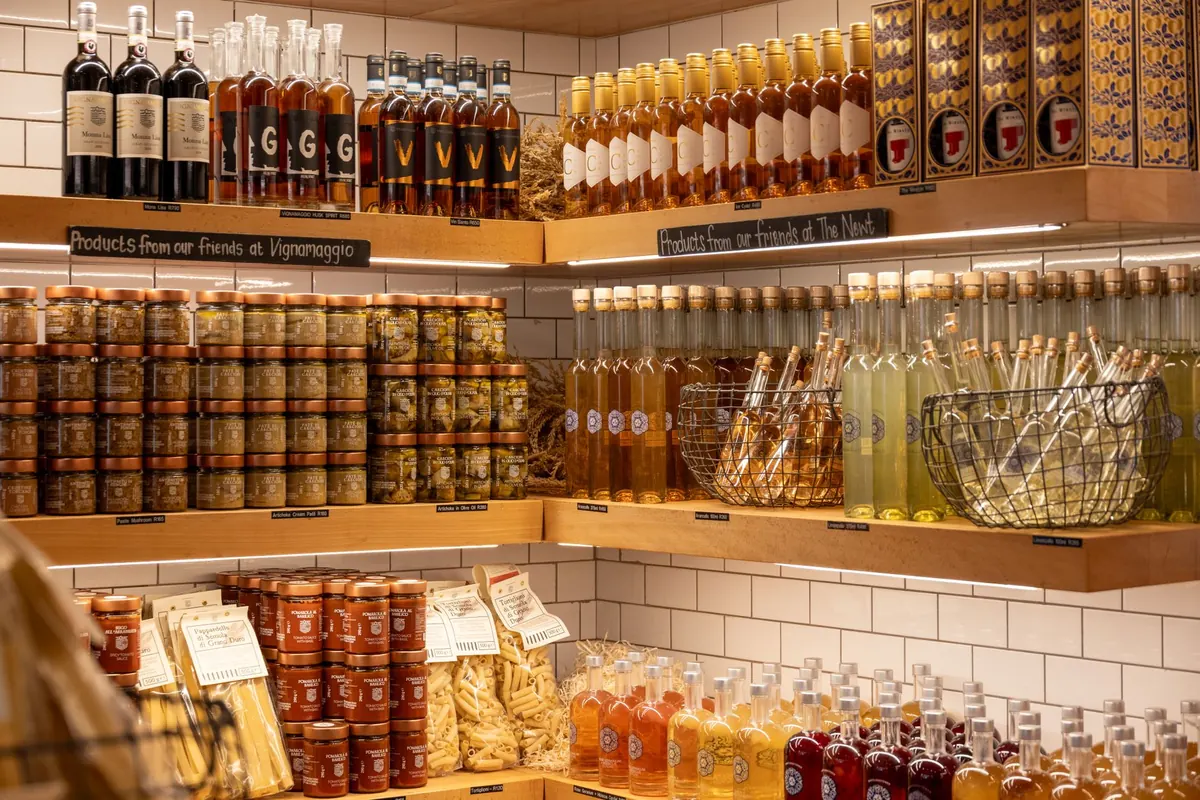
One anchor item, two supporting items, three small accents. The anchor is the thing you'd be happy to receive on its own — a really good olive oil, a wedge of aged cheese, a bag of single-origin coffee. The supporting items make it usable: crackers, salami, honey. The accents fill the gaps and add colour: flaky salt, a small bar of chocolate, a tiny jar of mustard. Odd numbers arrange better than even ones, and three small things usually cost less than one large thing while looking more generous.
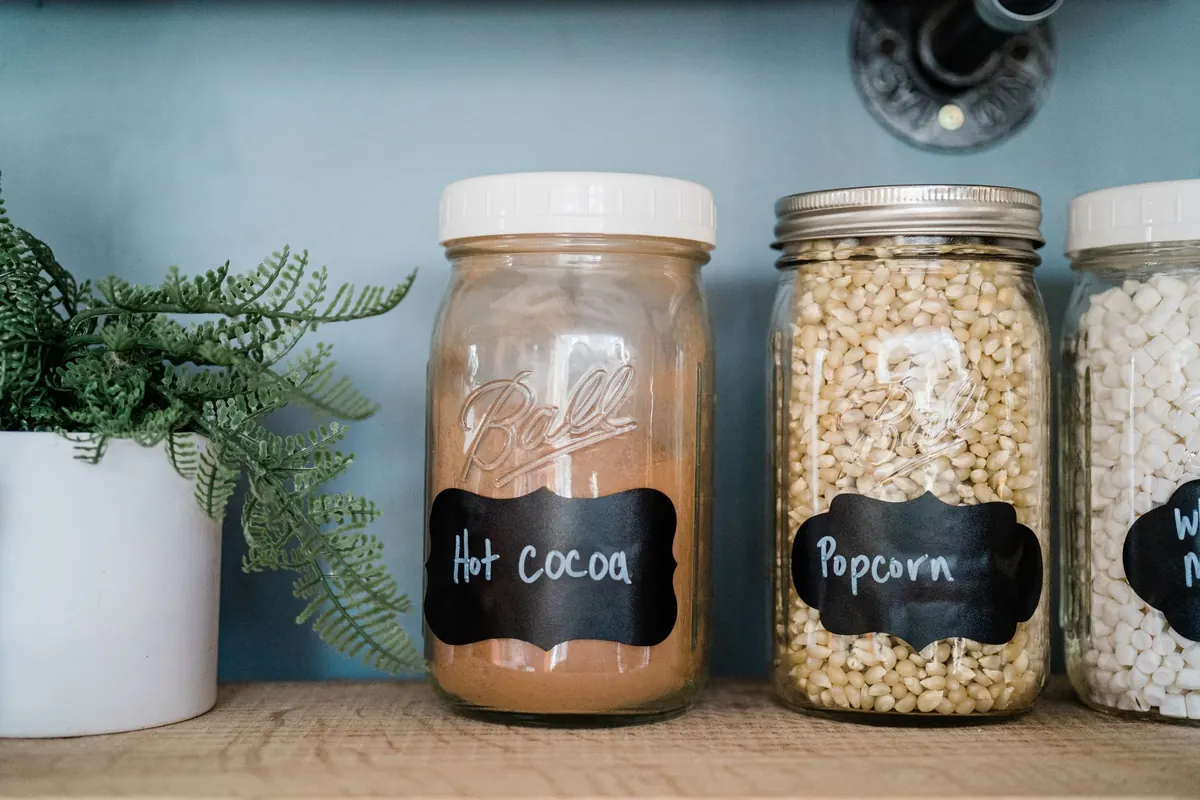
If you don't know the recipient's dietary needs, choose items with clear ingredient labels rather than loose or homemade goods. It's a small courtesy that prevents a lovely gift from sitting untouched.
Once you've picked a direction, the shopping list almost writes itself.
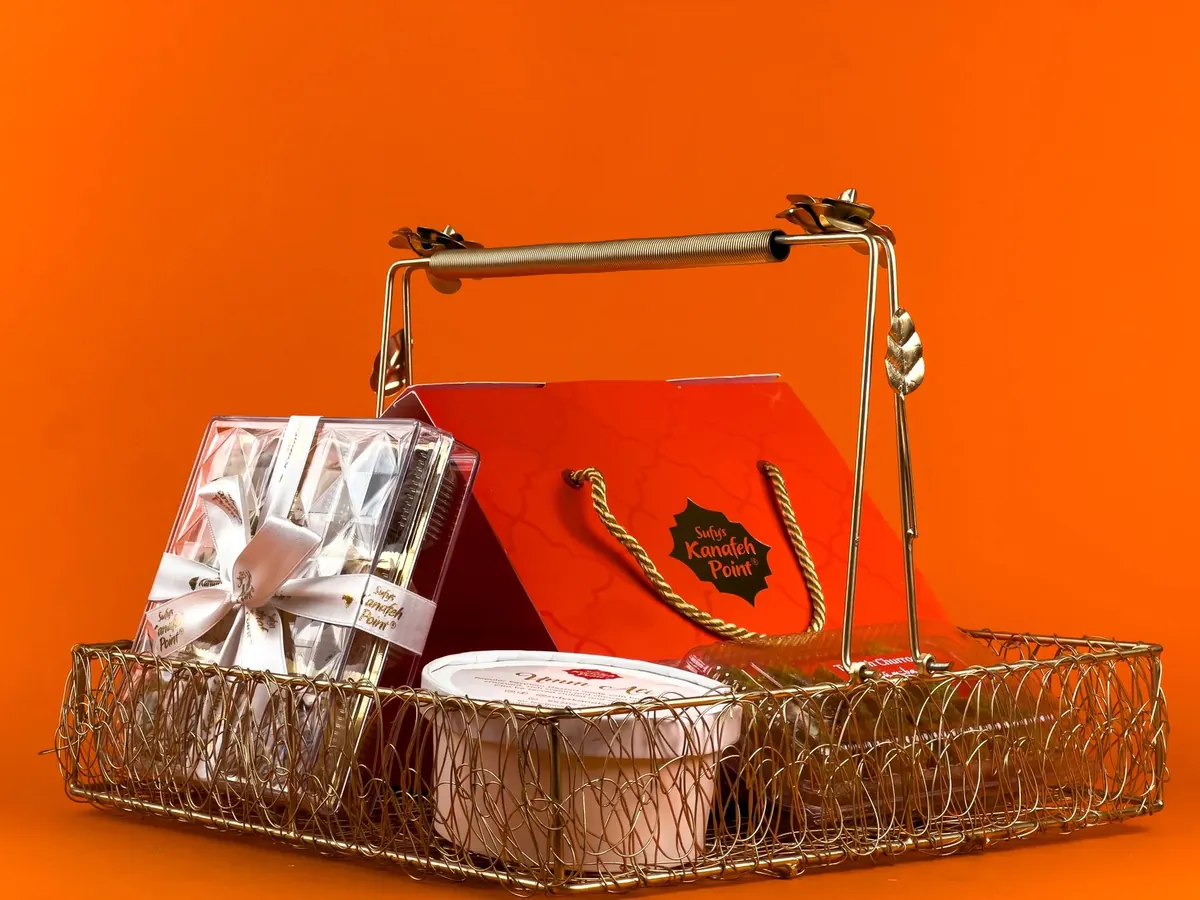
Choose the container first, then buy to fit it. A wicker basket, a shallow wooden crate, a lidded box, an enamel tray, a woven market bag — all work. Line it with tissue or crinkle paper so nothing slides, and build in layers rather than a single crowded row.
Heavy items go to the back and the base; light, tall items stand behind short ones so every label is visible. Wrap glass in tissue or kraft paper and tie it with twine — it protects the jar and makes unwrapping part of the pleasure. Add a cardboard divider if anything rattles. Keep scented items such as soap or candles out of the same box as unwrapped food, or the whole basket will smell like a hotel lobby. Finish with ribbon or twine and a hand-written tag.
This is the part people remember. Write a card, and make it useful rather than generic: Open the honey with the blue cheese — trust me on this one. Give the basket a name, even a silly one: "The Sunday Morning Box," "Emergency Aperitivo."
Add a recipe card for something that uses one of the ingredients, or a note about where you found a particular item — the market stall, the little shop, the producer you keep going back to. If each piece is wrapped separately, the recipient gets a series of small reveals instead of one. And if the basket is for someone far away, keep the contents to shelf-stable things that survive a journey.
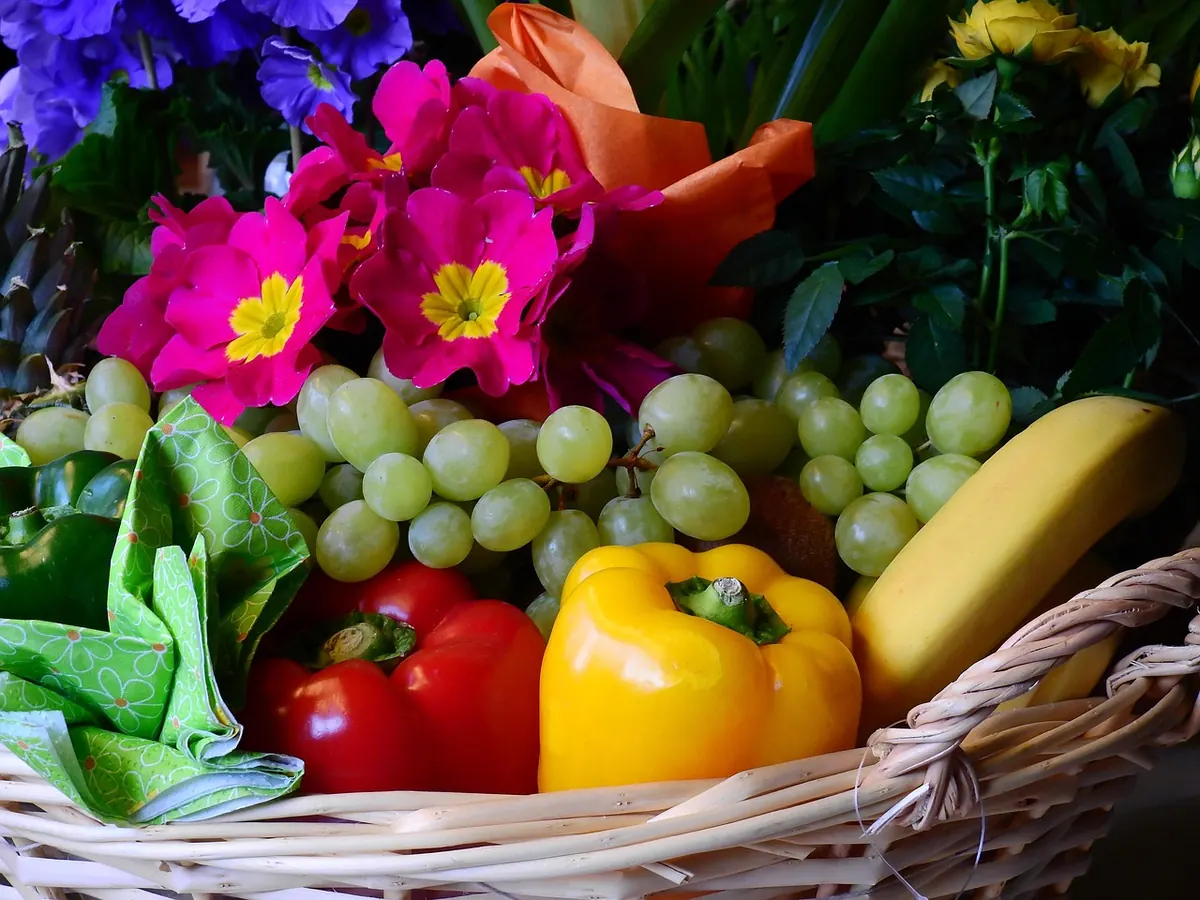
Cheese, bread, pastries and fresh produce are perishable. Give those baskets in person, keep them cool until handover, and assemble them the morning of. Jams, crackers, oils, tea, chocolate and tinned goods travel well and can be made a day or two ahead without any trouble.
If you're shipping, pad generously, avoid glass resting directly against glass, and make sure someone will be home to receive it. For anything involving alcohol, check the rules that apply where you live and where it's going before you seal the box.
Before you close the lid, run the basket through this quick sequence:
Get those six right and you'll have made something better than anything on a shelf — a basket that reads, in a few well-chosen jars and wrappings, as though you were paying attention. Because you were.
Photo: Bru-nO / Pixabay